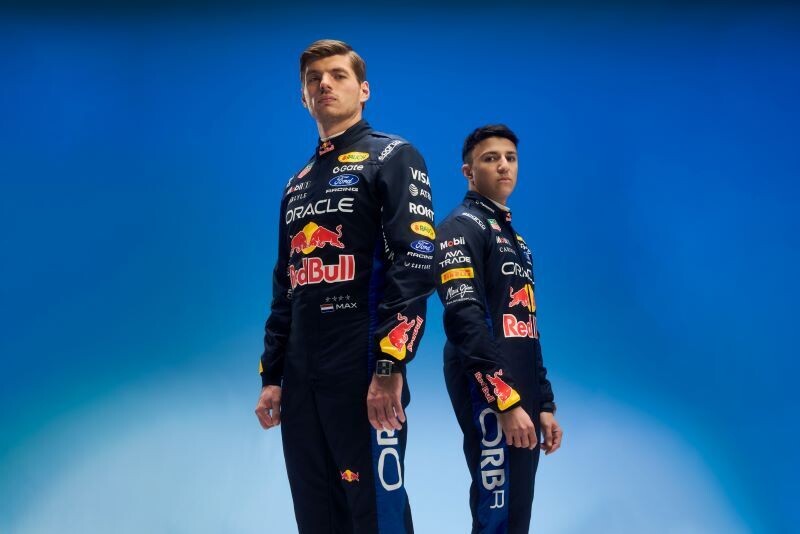
Ford Racing debuts in Melbourne alongside Red Bull Ford Powertrains. Ford Racing uses its return to the pinnacle of motorsport as a high-tech laboratory for the development of electrification and synthetic fuels. Advances achieved in energy recovery and aerodynamics in Melbourne are technological pillars that will be integrated into the next generation of commercial vehicles, such as the Mustang and the Raptor line. Will Ford also added that the alliance with Red Bull is a direct source of improvement for their final products. After 22 years away from the top category, Ford Racing marked its return to the grid in collaboration with the Oracle Red Bull Racing and Visa Cash App Racing Bulls teams, before a record attendance at the Albert Park circuit. Mark Rushbrook, Ford Racing's global director, described the event as the culmination of a process that began in 2022. Will Ford, Ford Racing's general manager, asserted that this is the ideal time for the return, coinciding with the global boom in popularity the sport is experiencing. Despite its long absence, the brand maintains its status as one of the most decorated engine manufacturers in motorsport history, having contributed to the titles of legends like Michael Schumacher, Sir Jackie Stewart, and Jim Clark. Rushbrook referred to himself in the third person, noting that seeing the single-seaters equipped with the Red Bull Ford Powertrain power unit on the track was an emotional moment for the technical team that worked to make this project a reality, which once again places the manufacturer on the world's most relevant motorsport stage.
Technical collaboration and sustainability The Red Bull Ford Powertrain project constitutes a deep engineering alliance between the headquarters in Milton Keynes, England, and Dearborn, Michigan, USA. Currently, the company's racing division competes in 34 different series, including high-profile events such as the Dakar Rally, NASCAR, and the 24 Hours of Le Mans in the WEC.
From the asphalt to the streets Ford's participation in Formula 1 functions as a dynamic innovation laboratory. Engineers from both organizations have joined forces to develop engines focused on the future of electrification and the use of sustainable fuels. He emphasized that for the company, success does not lie solely in crossing the finish line first, but in discovering ways to make its road vehicles more efficient and exciting for global consumers, maintaining an optimistic view of the future of mobility and high performance.